Choosing a heat press without buying twice
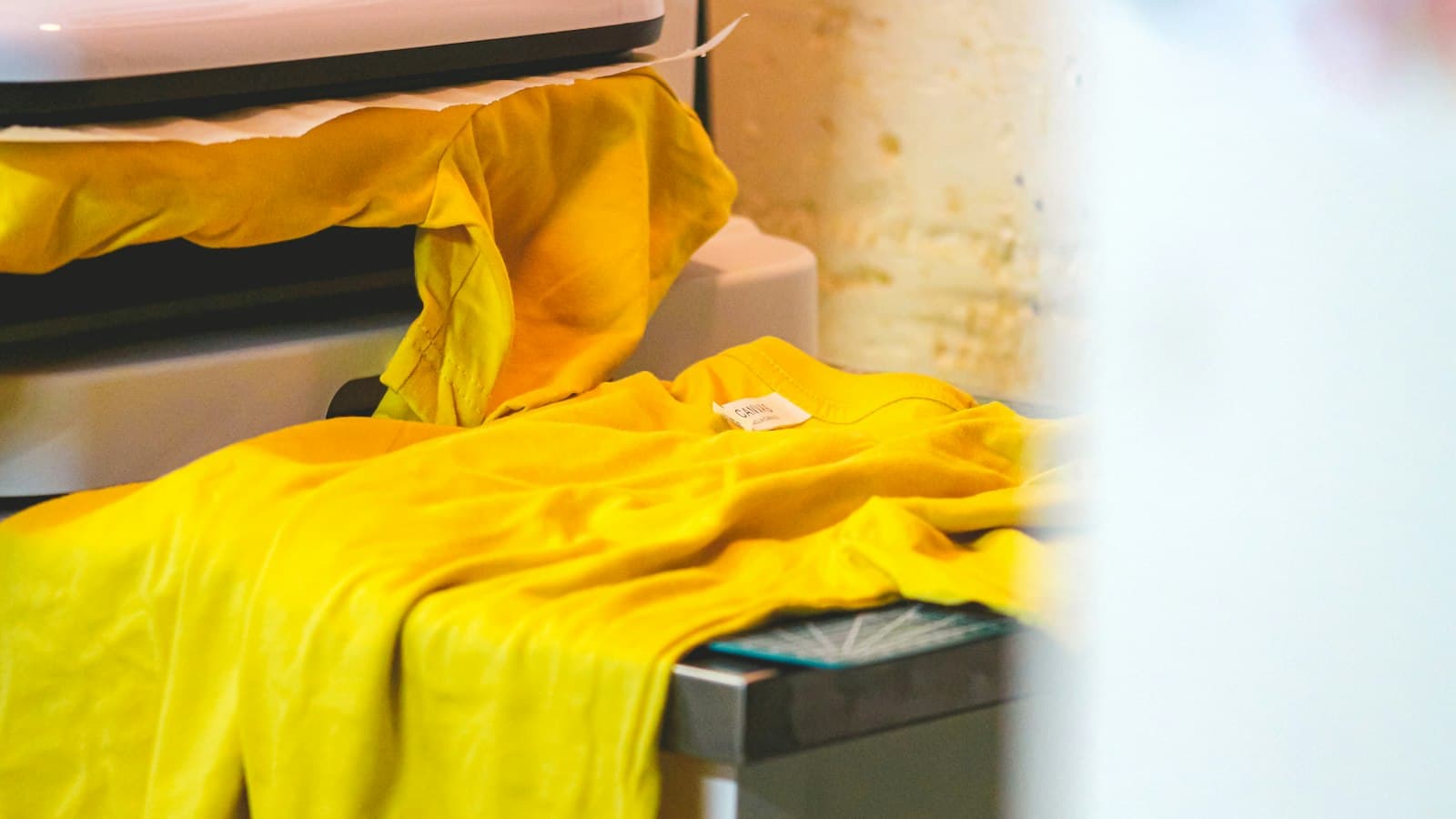
Clamshell, swing-away or draw. Platen size, even pressure and the specification that decides whether your transfers actually cure.
Presses, dryers, screens and what a machine really costs to own. 36 articles.
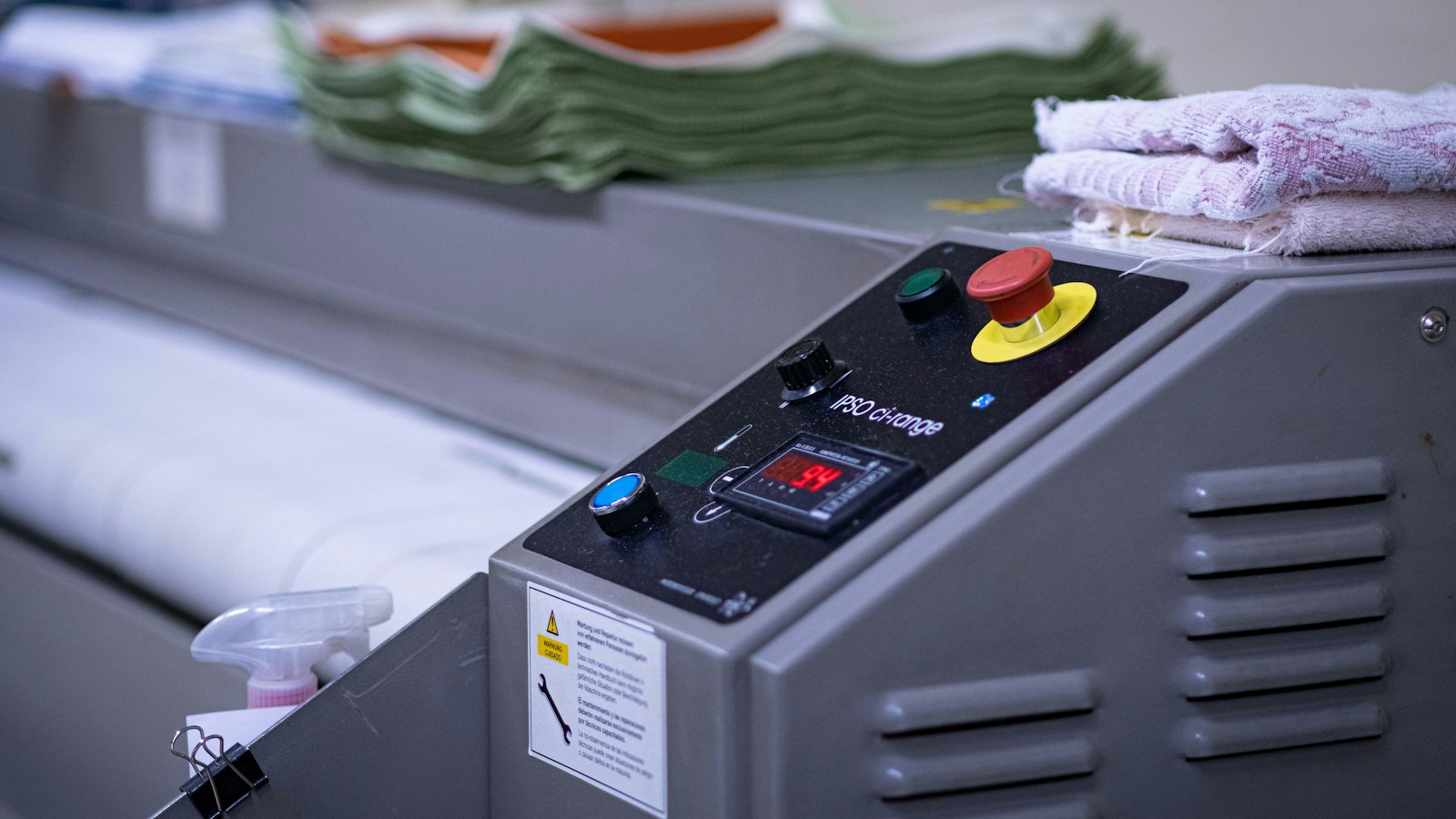
Clamshell, swing-away or draw. Platen size, even pressure and the specification that decides whether your transfers actually cure.
Manuals run 40–60 prints an hour, automatics 300–500. The volume where the second machine stops being ambition and starts being arithmetic.
Ink, maintenance, labour, downtime and the finance payment. The formula, worked through, plus the numbers salespeople leave out.
Entry machines start near $8,000, mid-production runs $15,000–$30,000, and industrial passes $80,000. What each tier actually buys you, and the running costs nobody quotes.
Used presses, dryers and embroidery machines can be excellent value. What to inspect, what to run, and the four questions that reveal why it is for sale.
LED exposes single-part emulsion in 8–15 seconds on 100 watts. Metal halide takes 30 seconds to two minutes on 10,000. Why the slower one still wins some jobs.
Daily, weekly, monthly and annual. What each machine in a decorating shop actually needs, and why the five-minute checks are the ones that pay.
Four heads from around $25,000, six from $25,000 to $55,000 depending on brand. What each additional head actually buys, and when it sits idle.
Most wasted time in a print shop is walking. How to arrange receiving, screens, press, dryer and packing so a job moves in one direction.
The cheapest way into decoration, and the one with the lowest ceiling. What HTV is good at, where it stops, and how to weed faster.
Free for 14 days · no card · pick what you make and we preload the methods, products and price tables.